

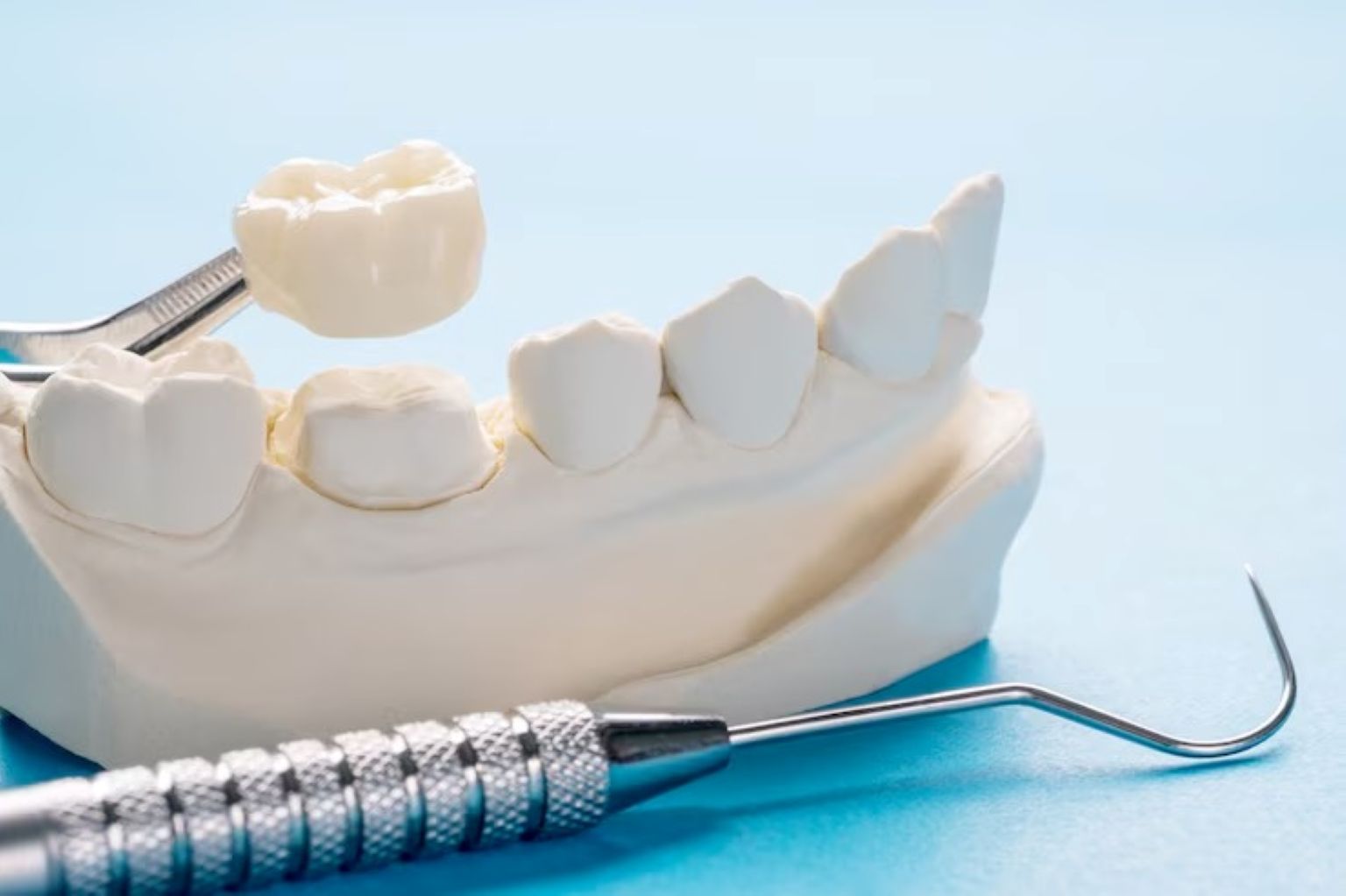
Understanding why a dentist recommends a specific restoration is the first step toward a healthier smile. A dental crown is a high-strength protective cover that encases a damaged tooth to restore its function and appearance.
Consulting an experienced dentist in Hamilton allows you to identify structural vulnerabilities before they lead to tooth loss.
Because a crown reinforces the tooth from the outside in, it provides the necessary stability for a patient to bite and chew without discomfort, effectively acting as a “new lease on life” for a compromised tooth.
7 Main Reasons Dental Crowns is For You
1. Protecting A Tooth After Severe Decay
When a cavity is too deep for a traditional filling, the remaining walls of the tooth become dangerously thin and prone to snapping. If you are looking for dental crowns near you, you will find that a crown is the standard solution for these cases.
By capping the entire visible surface, the crown prevents the tooth from crumbling under pressure and seals out new bacteria that could lead to a painful internal infection.
2. Reinforcing A Tooth Following A Root Canal
A root canal removes the infected pulp, but it also removes the tooth’s internal blood supply, making the remaining enamel brittle. Without a protective cover, these teeth are highly susceptible to splitting.
A crown is placed to provide the structural support needed to handle heavy chewing forces, ensuring the tooth remains functional for years.
3. Treating A Cracked Or Fractured Tooth
Accidents or biting down on hard objects can result in fractures that cause sharp pain whenever you chew. For patients seeking cracked tooth crown treatment, the cap acts as a splint that holds the tooth together.
This prevents the crack from spreading toward the root and protects the sensitive internal nerves from exposure to air and food.
4. Restoring Teeth That Are Severely Worn Down
Chronic teeth grinding (bruxism) or acid reflux can wear teeth down until they are short, flat, and sensitive. A crown restores the natural height of the tooth, which is essential for a healthy bite and jaw alignment.
By rebuilding these worn surfaces, you can prevent jaw joint pain and restore the youthful proportions of your smile.
5. Anchoring A Dental Bridge
When a tooth is missing, a dental bridge is often used to fill the gap. This prosthetic relies on crowns placed on the healthy teeth on either side of the space.
These crowns act as sturdy anchors that hold the replacement tooth (the pontic) securely in place, allowing for a stable and permanent restoration.
6. Covering A Dental Implant
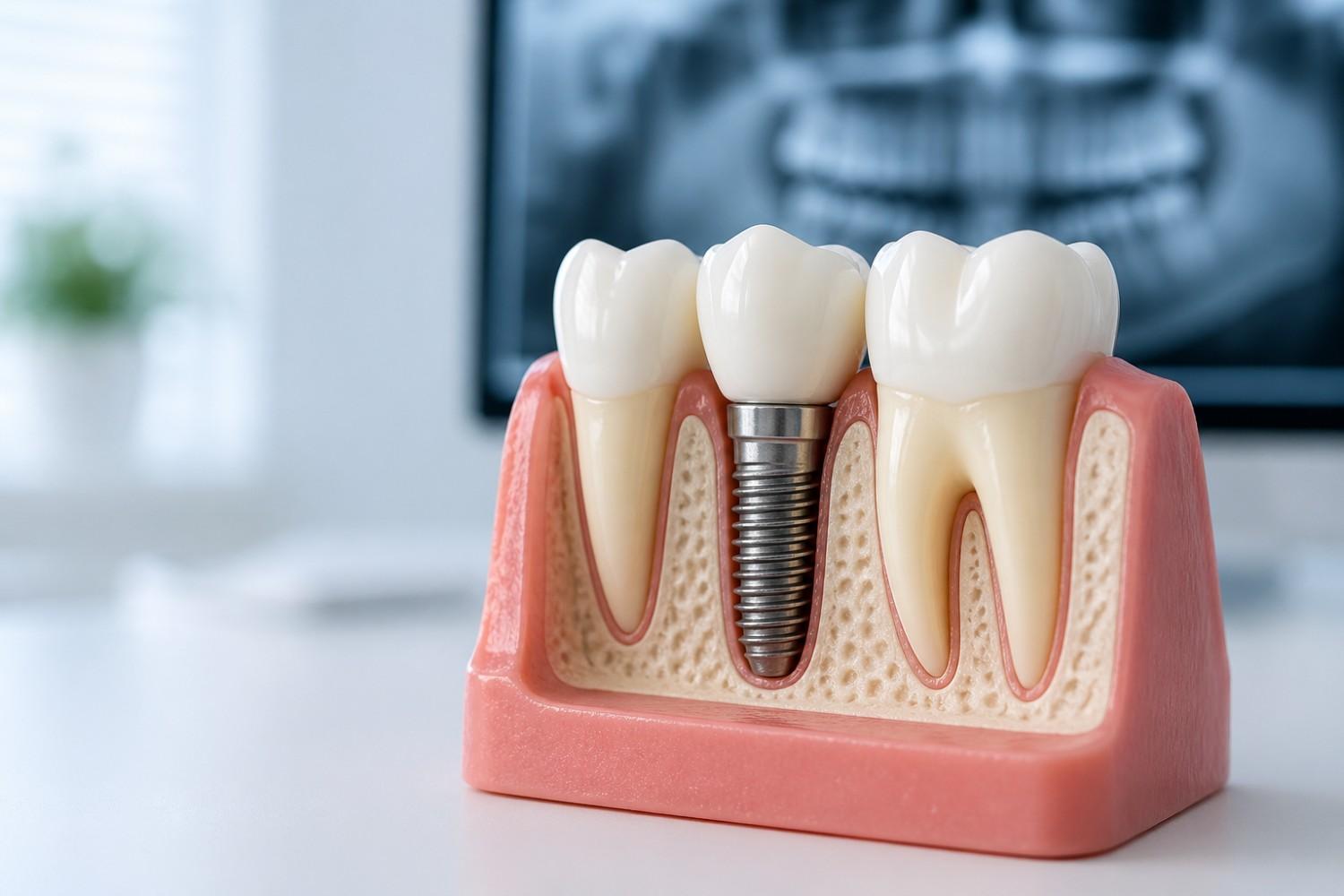
For those who have lost a tooth entirely, an implant serves as the new “root.” However, the part that actually looks and functions like a tooth is the crown attached to the top of the implant.
This restoration is custom-crafted to match your surrounding teeth perfectly, providing a seamless blend of strength and aesthetics.
7. Improving The Appearance Of Misshapen Teeth
While function is a priority, many crowns are used for smile enhancement. They can cover teeth that are severely discolored, “pegged,” or naturally out of alignment.
Because there are various types of dental crowns and prices to fit different goals, you can choose a high-translucency porcelain that mimics natural enamel, providing a beautiful and durable cosmetic upgrade.
Understanding Crown Options
| Feature | Porcelain/Ceramic | Zirconia | Porcelain-Fused-to-Metal |
| Best For | Front teeth | Back molars | Stress-heavy bites |
| Appearance | Highly natural | Very natural | Moderate |
| Durability | High | Excellent | High |
Strengthening Your Dental Health
A dental crown is an essential tool for preserving your natural teeth and preventing the need for extractions.
By choosing to reinforce a weakened tooth today, you are protecting your bite and your overall comfort for the future. Modern restorations ensure that your smile remains both beautiful and high-functioning.
At Heritage House Dentistry, we focus on providing durable, natural-looking solutions that help you eat and smile with confidence. Our team is dedicated to offering care that lasts longer. Call our team to schedule a consultation.
FAQs
When is a crown better than a filling?
A crown is preferred when more than 50% of the tooth is damaged, as a large filling cannot provide structural support.
How long does a crown last?
With good hygiene, several crowns last 10 to 15 years, though some materials can last much longer.
Can a crown get a cavity?
The crown itself cannot decay, but the natural tooth at the gum line still can, so brushing remains vital.
Will my crown look like my other teeth?
Yes, dentists use shade guides to match the restoration exactly to your neighboring teeth for a seamless look.