

Losing a tooth can make it hard to chew, speak clearly, or feel confident when you smile.
When you have a gap, your other teeth might start to drift out of place. This is why visiting a dental clinic in Hamilton is so important.
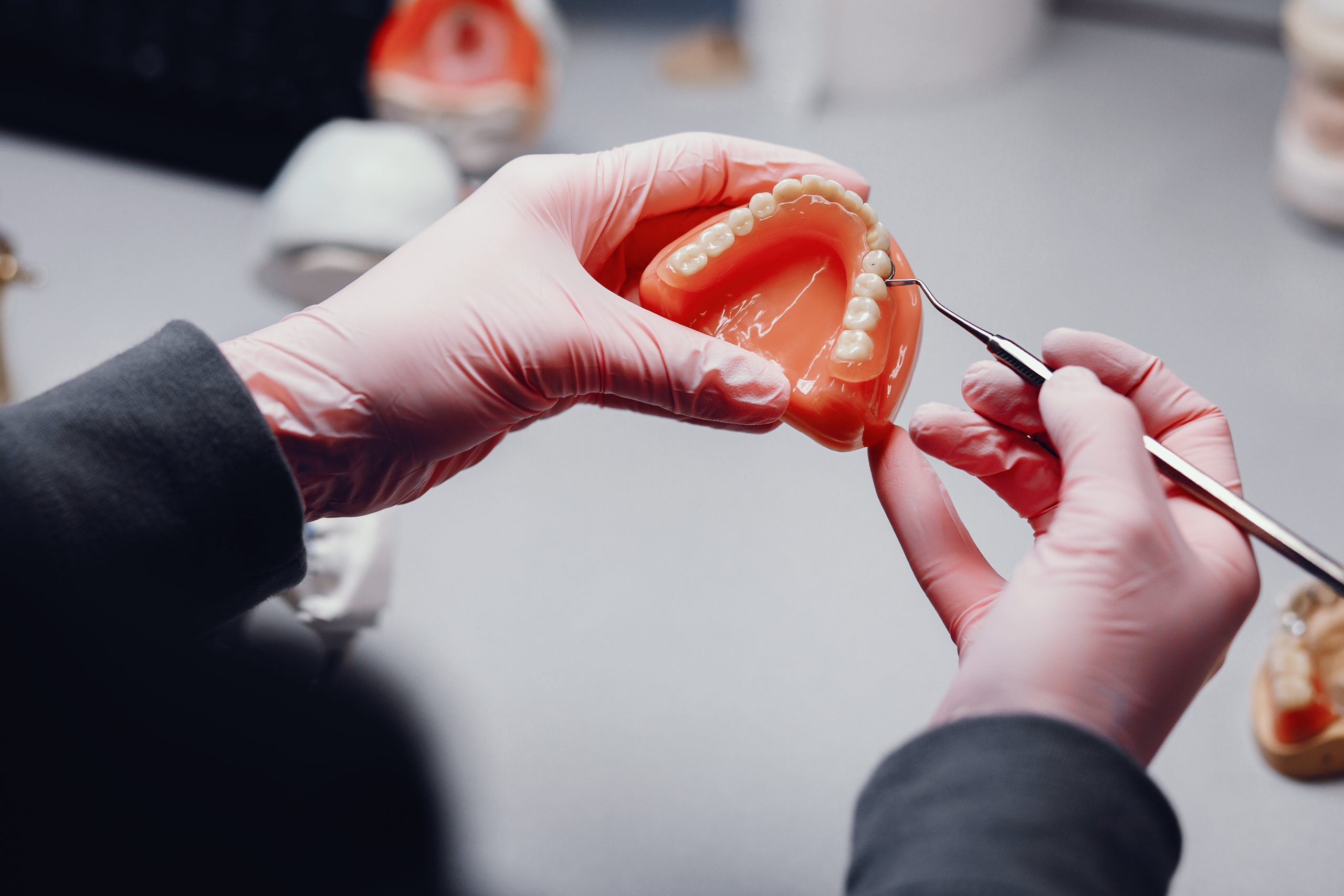
A dental bridge is a smart way to “bridge the gap” by using a fake tooth to fill the space. It is a permanent fix that stays in your mouth and helps everything work correctly again.
When looking for dental bridges near you, you will find several types. The right one for you depends on where your missing tooth is and how healthy the teeth next to it are.
4 Major Types of Dental Bridges To Choose From
Traditional Dental Bridges
This is the most popular type of bridge. It uses two crowns (caps) on the teeth on either side of the gap to hold the fake tooth in the middle.
- How it works: Your dentist will shape the two neighbouring teeth so the crowns can fit over them.
- Best for: Replacing teeth like molars because it is very strong.
- Materials: They are usually made of porcelain or ceramic, so they look just like your real teeth.
Maryland and Cantilever Bridges
Sometimes, you don’t want to change the teeth next to the gap too much, or you only have a healthy tooth on one side. These special bridges are great for those situations.
- Maryland Bridge: Instead of crowns, this uses small “wings” made of metal or porcelain that bond to the back of your neighbour’s teeth. It is a great choice for the front teeth because it requires minor drilling.
- Cantilever Bridge: Used when there is only one healthy tooth next to the gap. The fake tooth is anchored to just that one side. It isn’t used as much today, but it can be helpful for certain areas of the mouth.
Implant-Supported Bridges
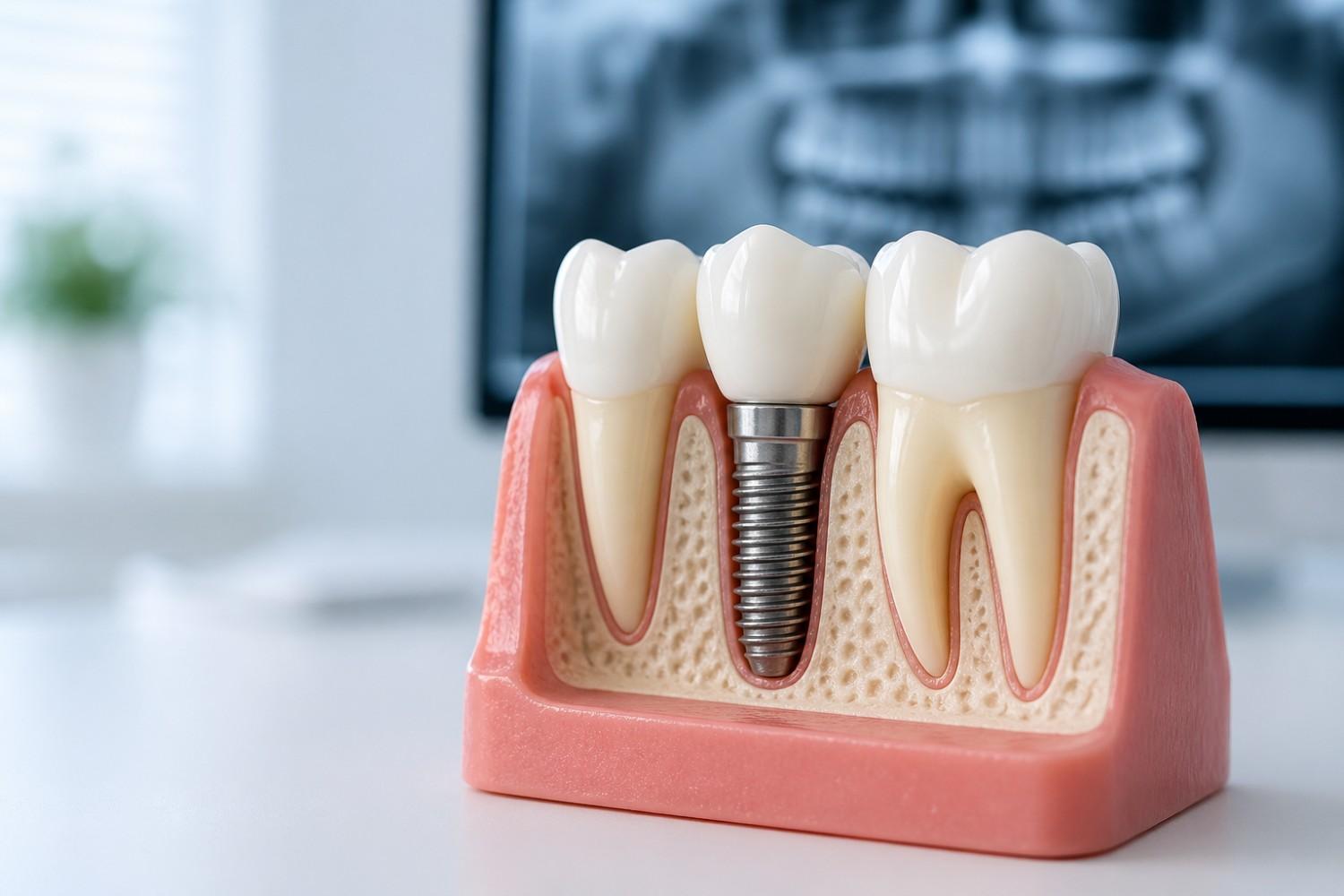
If you are missing several teeth in a row, an implant-supported bridge is often the best choice. Instead of using your natural teeth for support, this bridge is held in place by small titanium posts placed in your jawbone.
- No Support Needed: It doesn’t put any stress on your healthy, natural teeth.
- Sturdy Feel: It feels and works exactly like your real teeth.
- Long-Term Health: It helps keep your jawbone strong, which is great for your overall health as you age.
Quick Look at Bridge Types
| Bridge Type | Best For… | Key Benefit |
| Traditional | Most common gaps | Very strong and reliable |
| Maryland | Front teeth | Saves your natural tooth enamel |
| Cantilever | One-sided gaps | Good when only one anchor is available |
| Implant-Supported | Multiple missing teeth | Doesn’t affect other teeth |
What is the Cost?
Many patients ask about the cost of dental bridges when planning their care. Prices can vary depending on the materials used and the number of teeth to be replaced.
Generally, a bridge is a more affordable option for replacing a permanent tooth than a dental implant, and it doesn’t require surgery.
Most dental insurance plans also help cover a portion of the cost, making it a budget-friendly way to fix your smile.
How Long Does a Bridge Last?
You might be wondering, “how long do dental bridges last?” With proper care, most bridges last 10 to 15 years, and some even longer! The secret to making them last is keeping the anchor teeth healthy.
- Special Cleaning: Since the teeth are joined together, you use a special “floss threader” or a water flosser to clean under the fake tooth.
- Daily Care: Brushing twice a day keeps the gums around the bridge healthy.
- Checkups: Regular visits to a dentist help ensure the bridge stays tight and the teeth underneath stay strong.
A Stronger, Happier Smile
Missing teeth don’t have to change your life. Whether you choose a traditional bridge or one supported by implants, you are taking a major step toward a healthier mouth.
A bridge not only makes your smile look better but also helps you chew easily and keeps your other teeth from moving. We are here to help you find the best option for your budget and your health.
At Heritage House Dental, we love seeing our patients leave with a smile they can be proud of. Book an appointment now!!
Frequently Asked Questions
Is the procedure painful?
No, your dentist will numb the area just like they do for a filling. You might feel a little pressure, but you shouldn’t feel any pain.
How many visits does it take?
Most bridges are finished in just two visits—one to prepare the teeth and one to fit the final bridge.
Will it look natural?
Yes! Modern porcelain is colour-matched to your other teeth, blending in perfectly.
Can I eat normally?
Once the bridge is permanently in place, you can eat all your favourite foods again without worry.