


Looking to fix small chips, gaps, or stains on your teeth? Dental bonding in Hamilton is a simple and effective way to improve your smile. Learning about the bonding process, what happens during your appointment, and how to care for your teeth afterward can make the treatment easy and comfortable.
Dental bonding uses a tooth-coloured resin applied directly to your teeth. Unlike veneers or crowns, bonding requires little to no removal of your natural tooth enamel, making it a minimally invasive solution for cosmetic or minor restorative dental issues.
What Happens During a Dental Bonding Appointment?
Visiting a dental clinic in Hamilton for bonding is usually quick and straightforward. Here’s a step-by-step look at what happens:
Consultation and Planning
During your first visit, the dentist examines your teeth and discusses your goals. This step helps determine if dental bonding is suitable and outlines what can be achieved with the dental bonding procedure.
Tooth Preparation
The dentist lightly roughens the surface of the tooth to help the resin stick better. A conditioning liquid is then applied to ensure a strong bond between the tooth and the resin.
Using the resin
The natural appearing tooth colour is applied in layers and is shaped to match. It’s a precise step, as the dentist sculpts the resin to contour your smile.
Toughening Up With A Special Light
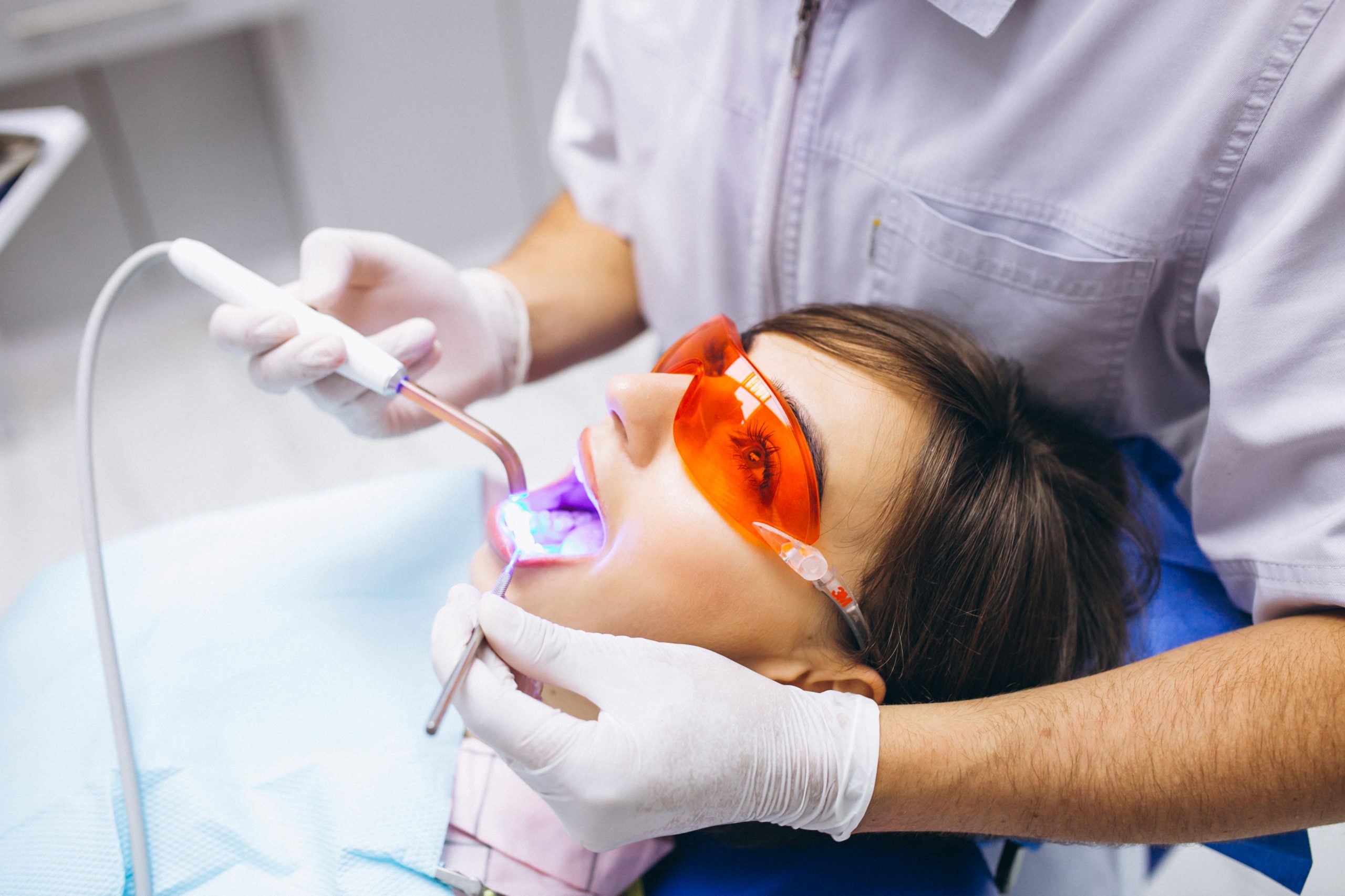
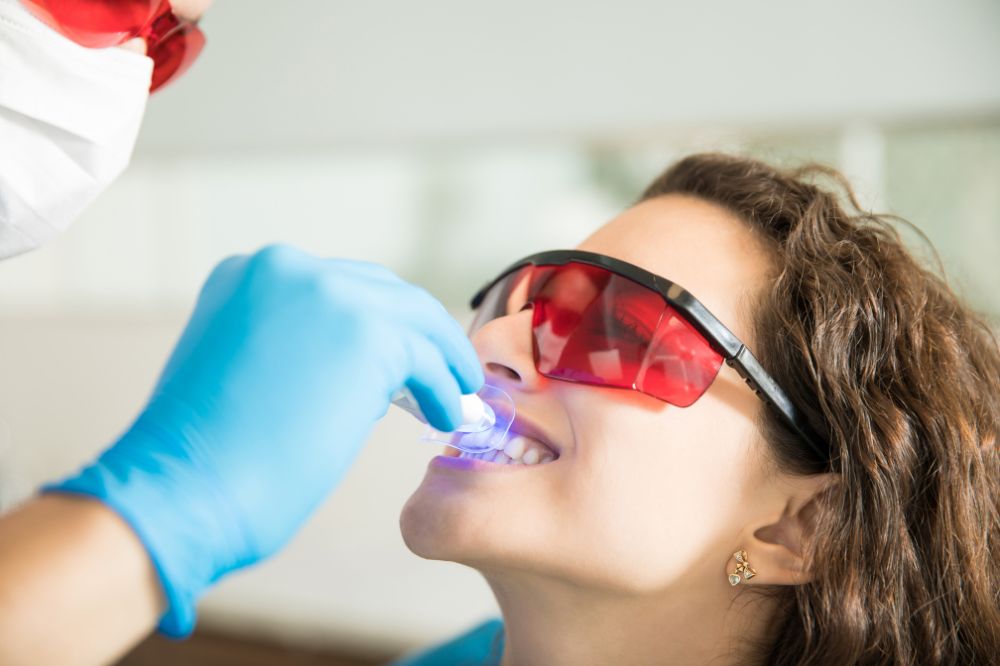
A curing light is utilized to solidify the resin. This process energizes the adhesive and makes it protectively strong for regular use.
Touching Up and Finishing
Lastly, the dentist finishes by smoothing and polishing the area that was bonded so that it blends in with the rest of your teeth. Your smile will look natural and straight after this step.
Dental Bonding Recovery and Aftercare Tips
Recovery from dental bonding is usually quick, and there is minimal discomfort. Following proper aftercare ensures the bonding lasts longer:
- Avoid biting hard foods or objects such as ice, pens, or fingernails.
- Limit foods and drinks that can stain, like coffee, tea, red wine, or berries.
- Maintain regular brushing and flossing to keep the resin clean.
- Attend routine checkups at your dental clinic in Hamilton to ensure the bonding remains in good condition.
Benefits of Dental Bonding
Dental bonding is a popular cosmetic treatment due to the many benefits it offers:
- Fast Treatment: Usually, the work done is completed in a single session.
- Budget-Friendly: Dental bonding costs less than veneers or crowns.
- Gentle on Teeth: The amount of the natural tooth that is removed is minimal or none.
- Rescue: Makes perfect the broken, cracked, and gapped teeth, and also minor discoloration.
- Enhances Self-Esteem: Gives a smile that looks real and makes the patient more confident.
How Long Does Dental Bonding Last?
With proper care, dental bonding can last between 5 and 10 years. Avoiding habits that damage teeth, maintaining good oral hygiene, and visiting your dentist regularly help extend the life of your dental bonding.
Experience Quick and Painless Cosmetic Dental Solutions!
Want to fix your teeth and feel more confident with dental bonding? Book an appointment today at Heritage House Dentistry for expert care, simple guidance, and a plan made just for you.
FAQs
Can bonding become discoloured over time?
The resin is stain-absorbent, so it is recommended to clean it regularly. Also, avoid very pigmented food.
Does bonding hurt?
Many patients feel very little discomfort. It rarely requires anesthesia.
Can bonding fix all cosmetic issues?
Dental bonding works best for minor cosmetic corrections. More extensive damage may require crowns or veneers.
How quickly will I see results?
Immediately! The moment the bonding is complete, your teeth appear smoother, more even, and whiter.
Can bonding be replaced or removed?
Yes, if needed, the resin can be reshaped, replaced, or removed by your dentist without harming the natural tooth.