

When dental discomfort makes you wince at even a sip of cold water, it can make routine oral care feel intimidating.
Sensitive teeth are more common than you might think, and the good news is there are ways to protect your smile while keeping up with regular dental cleanings near you.
Understanding how to care for sensitive teeth can save you from unnecessary pain and help maintain a healthy, confident smile.
Why Sensitive Teeth Happen
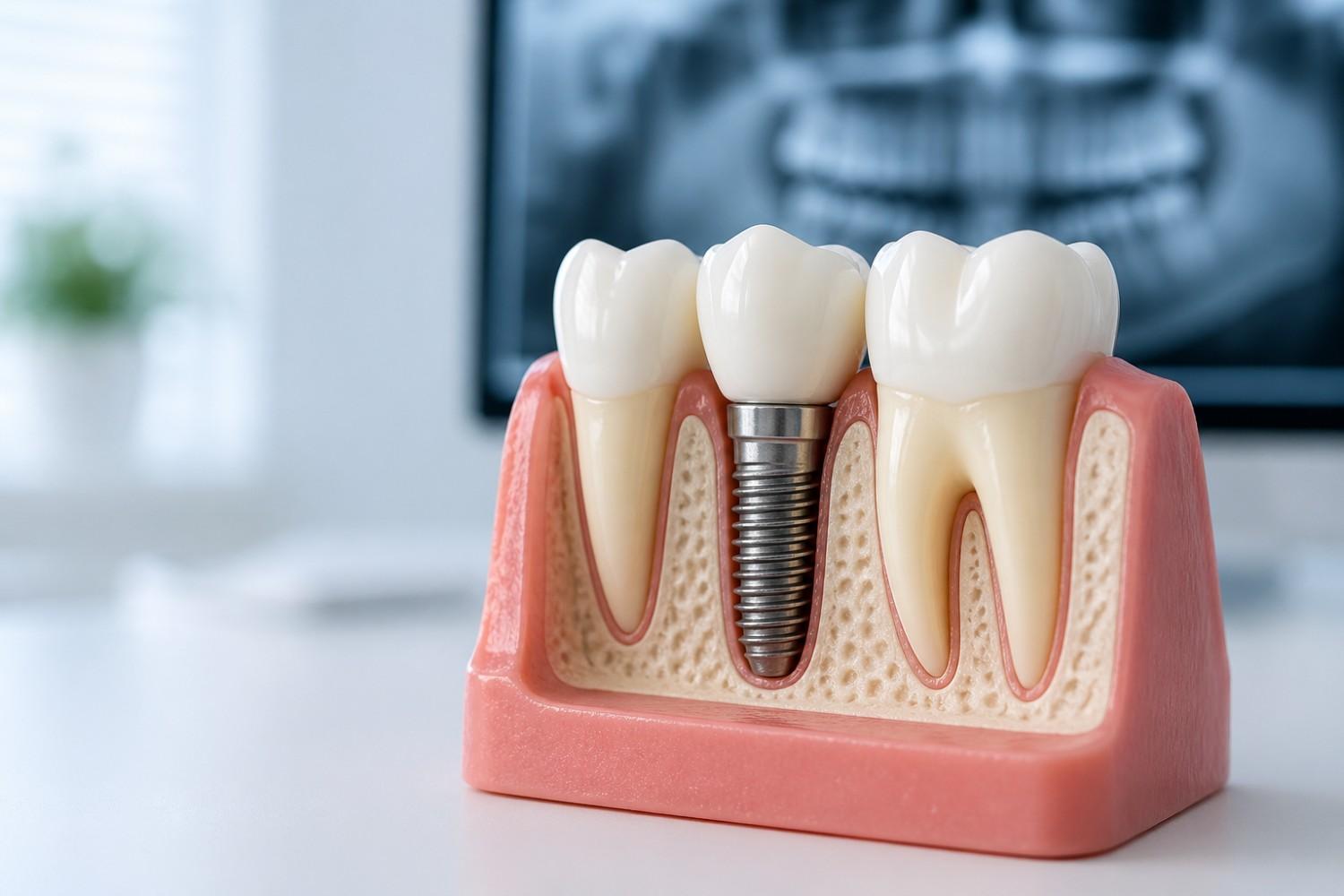
Tooth sensitivity often occurs when the protective layers of the teeth, enamel or dentin, are worn down, exposing the inner nerves.
Brushing too hard, consuming acidic foods, or grinding your teeth can all make sensitivity worse.
Sometimes, underlying dental issues like cavities or gum recession are the culprit. Identifying the cause is key to determining the right treatment.
Importance of Regular Dental Cleanings
Even if you experience sensitivity, skipping dental cleanings isn’t the answer.
In fact, professional cleanings can prevent problems from escalating. They remove plaque and tartar that at-home brushing can’t reach, reducing the risk of cavities and gum disease.
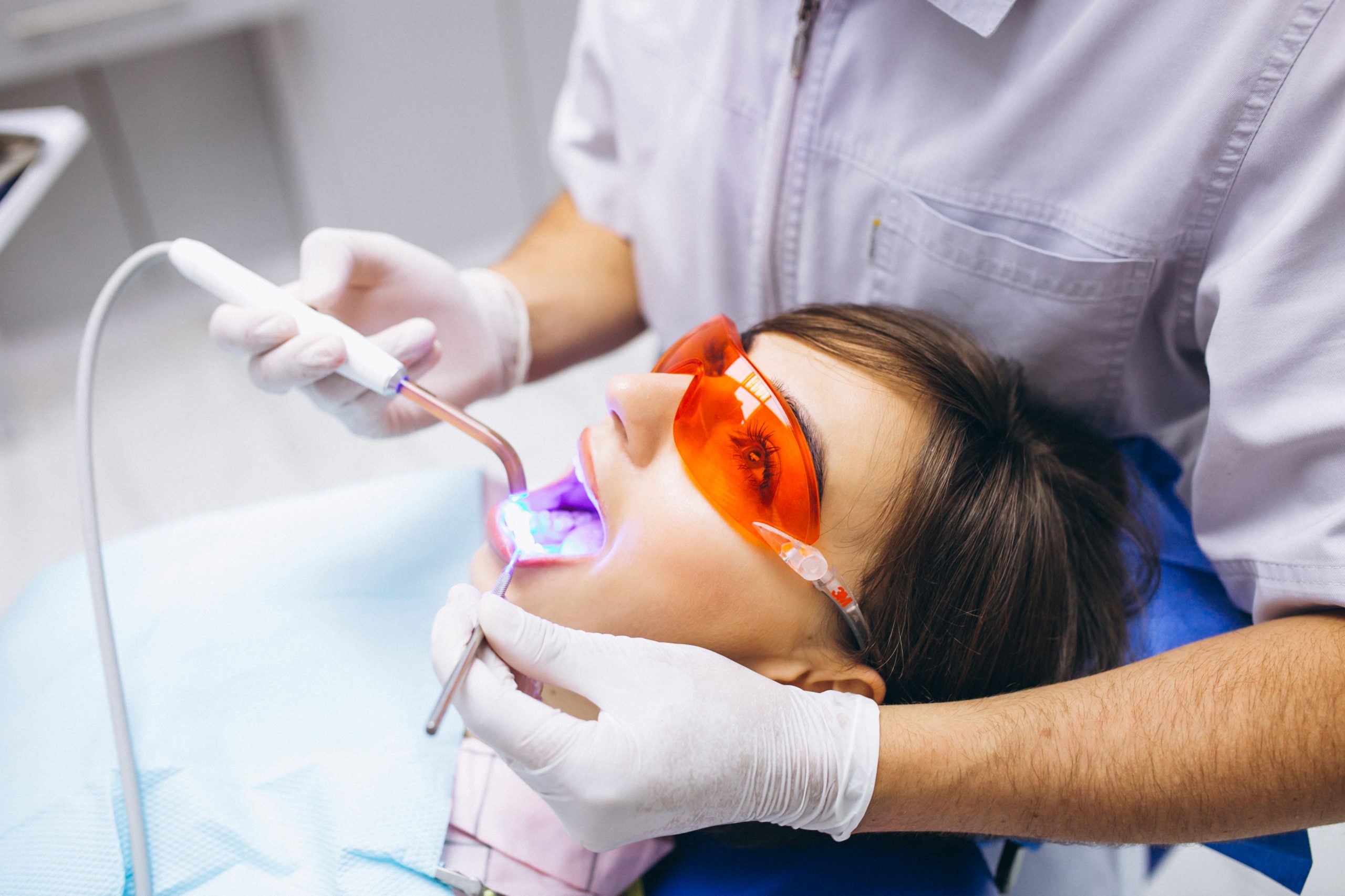
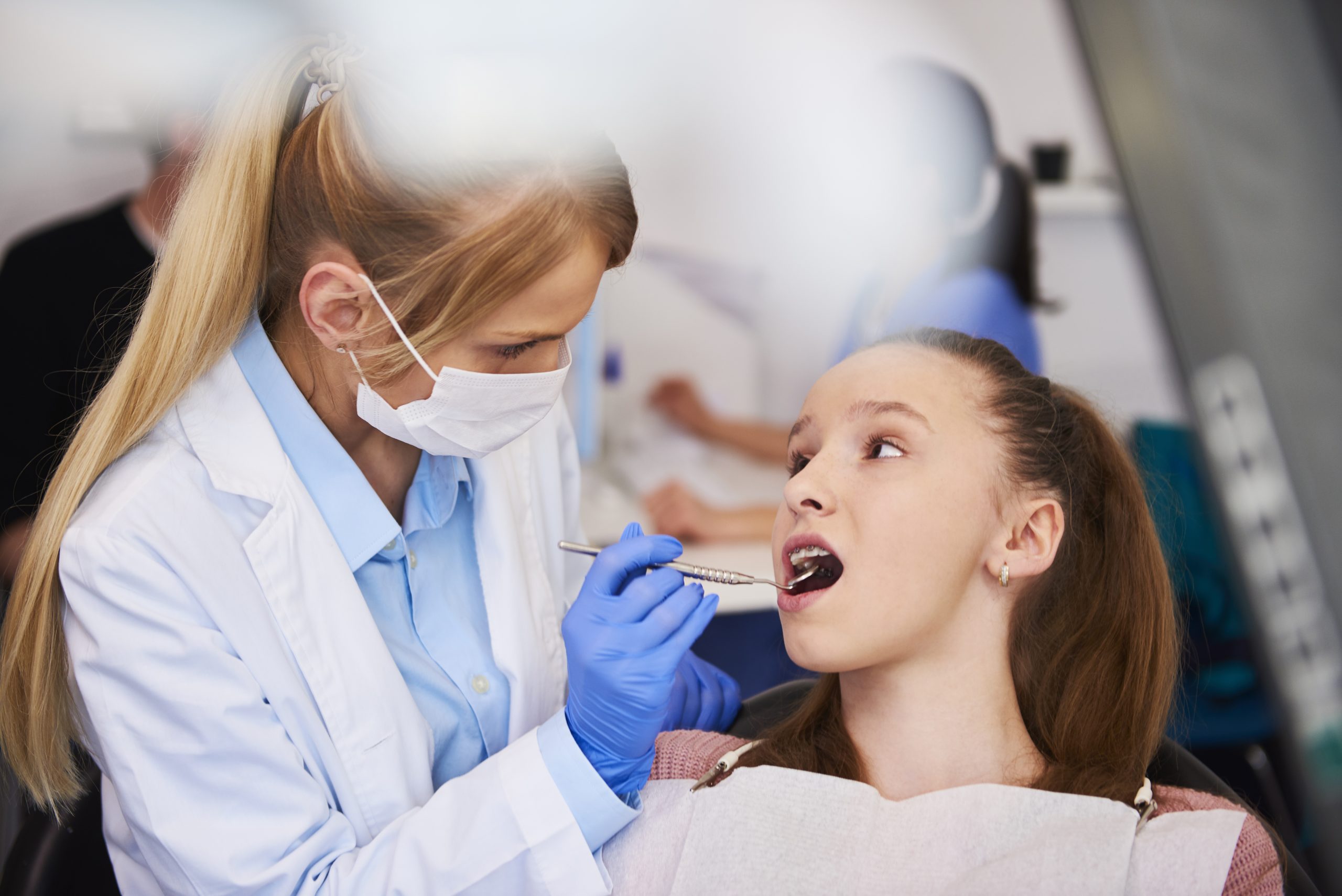
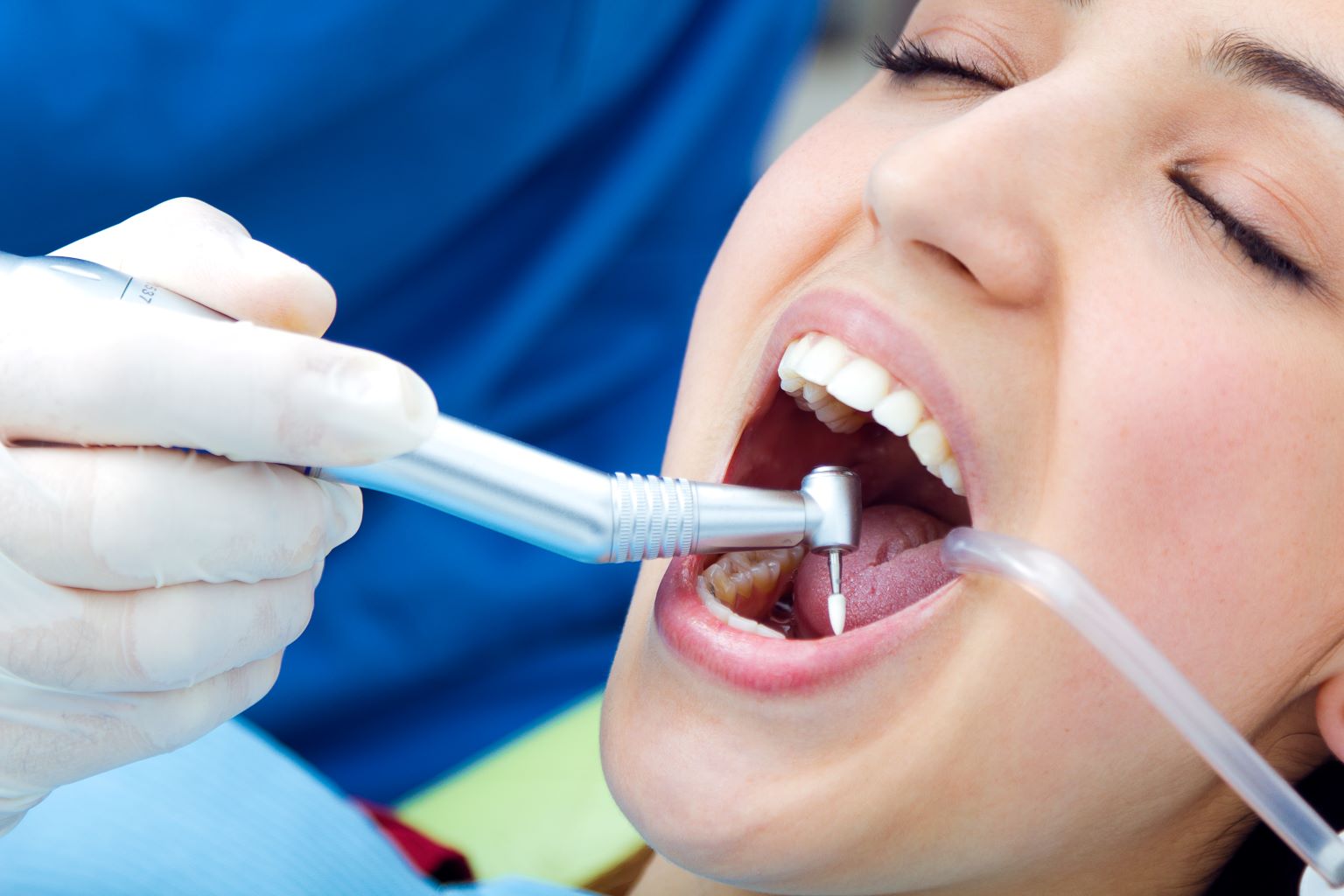
For those with sensitive teeth, your dental team can adjust the cleaning process, using gentle techniques and specialized tools to minimize discomfort.
Look out for a dental team that provides a comfortable environment tailored to patients with sensitive teeth. Our dental professionals focus on making each visit as pain-free as possible.
What are Other Sensitive Teeth Treatment Options Available?
There are several approaches to managing tooth sensitivity:
- Desensitizing toothpaste: Formulated to block nerve pathways, it gradually reduces discomfort.
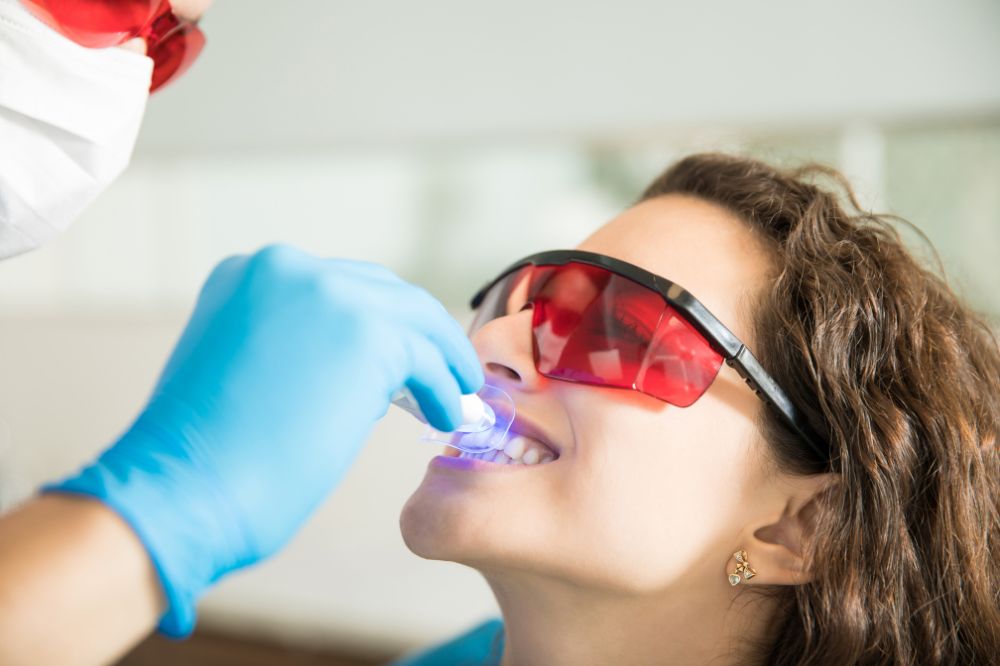
- Fluoride treatments: Applied by your dentist, these strengthen enamel and protect teeth from sensitivity triggers.
- Bonding or sealants: In cases where enamel is worn or exposed, a protective layer can reduce sensitivity.
- Mouthguards: For patients who grind teeth at night, custom guards can prevent enamel wear.
A dentist in Hamilton will help you understand the right option that fits your needs.
How to Reduce Tooth Sensitivity at Home
While professional care of your teeth is important, daily habits also play a necessary role in managing sensitive teeth.
Consider the tips below to reduce tooth sensitivity at home:
- Use a soft-bristled toothbrush and avoid hard brushing.
- Choose toothpaste formulated for sensitive teeth.
- Limit acidic foods and drinks, such as citrus or soda.
- Maintain regular dental checkups to catch problems early.
- Rinse with warm water after consuming acidic foods instead of brushing immediately.
Following these steps can complement your in-office treatments and keep discomfort to a minimum.
Why Should You Choose the Right Dentist
Managing sensitive teeth needs a gentle touch and expert tips. A dentist near you can help you understand the sensitivity problems and plan cleanings and treatments based on your needs.
They will prioritize comfort and use techniques designed for sensitive patients.
Wrapping Up!
Sensitive teeth don’t have to hold you back from maintaining a healthy smile.
With the right combination of professional care, treatment options, and at-home habits, you can enjoy cleanings without the dread of pain.
Our team at Heritage House Dentistry is dedicated to making dental visits comfortable and effective for every patient, especially those with sensitivity concerns.
Don’t let sensitive teeth keep you from the care you need.
Schedule your appointment today and discover a gentler, more comfortable approach to dental cleanings.
FAQs
Can sensitive teeth get worse over time?
Yes, an untreated sensitivity can become worse if the cause, such as enamel wear or gum recession, is left untreated.
Are dental cleanings safe for sensitive teeth?
Absolutely. Dentists use gentle techniques to ensure cleanings are safe and comfortable for sensitive patients.
How long does it take for desensitizing toothpaste to work?
Most people notice improvement within 2–4 weeks of consistent use.
Should I avoid dental cleanings if I have sensitive teeth?
No, avoiding cleanings can make sensitivity worse by allowing plaque and tartar buildup.