

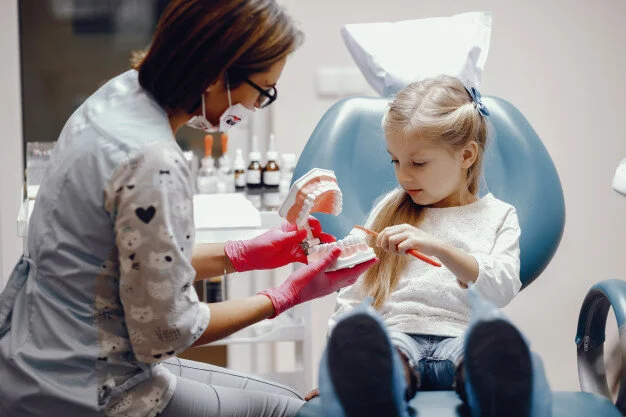
Every parent hopes their child will grow up with a bright, healthy smile. However, children are particularly susceptible to certain dental problems. If you are aware of the most common dental problems in kids�and how to prevent them�it can be a game changer. You may want to visit a dentist in Hamilton, or you may want to find a dentist close to you. Whether the care is preventative or restorative, knowledge of prevention and early recognition will help you make the choice for your child’s dental care, and oral health.�
Common Dental Problems in Children�
- Cavities (Tooth Decay) : Tooth decay is one of the most common childhood dental problems. When sugary foods and drinks linger on teeth, bacteria in the mouth produce acid that destroys enamel. If left untreated, cavities can cause pain, can cause infection, and may cause difficulty eating.
- Early Childhood Caries (Bottle Tooth Decay): When a baby goes to bed with a bottle containing milk, formula or sweetened beverage, the infant is at risk. The sugars in these liquids pool around teeth and the gums and cause decay.
- Gum Disease (Gingivitis): Sometimes considered an adult problem, children can experience gingivitis, which presents with red, swollen or bleeding gums, most often due to plaque buildup. If left untreated, gum disease can lead to more serious dental problems.
- Thumb Sucking, Pacifier Overuse: Thumb sucking or pacifier sucking is said to be normal in toddlers. But in the case of overindulgence or prolonged use of the thumb sucker or pacifier beyond the age of 2 4, the teeth and the jaw structure are influenced by the habit which may cause a bite defect.
- Malocclusion & Misaligned Teeth: Malocclusion Bites: This may be caused as a result of genetics, extended sucking habits, or premature loss of baby teeth. Crowding and Spacing: This may be caused due to genetics, long sucking habits, or early loss of baby teeth. These positional problems may involve chewing, speaking and simple oral health.
- Dental Erosion and Sensitivity: Acidic food and beverages (sodas, citrus juices and others) may also cause enamel erosion which may then cause sensitivity and increase the risk of cavities.
- Dental Trauma: Because children are typically active, falls, sports injuries or accidents may crack, chip or displace teeth. Often dental trauma plus seeing a dental professional for an evaluation or treatment can be a priority.�
How to Prevent These Problems
The saying “an ounce of prevention is worth a pound of cure” is very applicable to your children’s health. These are the best measures that you can adopt to keep the teeth of your kids healthy and minimize complications in the future.
- Start Early: In the absence of teeth, rub the gums pads with a soft cloth. When the first tooth sprouts start brushing the teeth twice a day with a soft bristled toothbrush and a smear of fluoride toothpaste.
- Brush and Floss Properly:� Before the age of 7 or 8, children will have to have your assistance or supervision in order to brush all tooth surfaces properly. You should also floss when two teeth interdigitate. The goal is to count to 2 minutes at least 2x/day when you brush your child’s teeth.
- Limit Sugary & Acidic Foods and Drinks: Limit frequent snacking, sugar sweetened drinks (and soda) especially in between meals, and acidic drinks such as lemonade, soda, or sport drinks. Encourage drinking fluoridated water especially for proper hydration and rinse or brush after acidic and sugary foods.
- Use Fluoride & Sealants: Fluoride helps strengthen tooth enamel and helps prevent cavities due to its ability to fight bacteria. Ask your dentist about fluoride varnish. Sealants help protect teeth from cavities in the pits and fissures especially on the back teeth (molars).
- Regular Dental Visits: Make dental appointments for your child every 6 months or as needed for treatment. A dentist in Hamilton or a dentist near you can help watch your child’s teeth develop, catch developing problems early to be fixed, and help keep your child’s teeth clean.
- Address Habits and Early Loss of Baby Teeth: It is best to work on weaning your child from a pacifier by about age 2-4. If your child sucks their thumb, kindly remind them that this is not a behavior that they should continue. Your dentist in Hamilton may recommend replacement space maintainers if your child needs a baby tooth removed early.
- Protect During Sports / Risks: Get and need mouth guards during sports. Train your child not to chew on such hard objects as ice, pens, hard candy. Be careful of trips and falls that may damage teeth and avoid waiting to see if a dental injury needs immediate attention.
Finding the Right Dentist in Hamilton
Choosing a good dental care provider sets the stage for these preventive services to occur early and appropriately:
- Look for a pediatric dentist or a family dentist with experience caring for children.
- Check that they offer preventive services, such as fluoride treatments and sealants.
- Find a convenient location, such as a dentist near you, so that ongoing care is feasible.
- Read reviews, ask for recommendations, and see whether the clinic is pleasant, calm, and child-friendly.
Conclusion
Remember, many children’s dental problems are preventable, and early intervention is effective for cavities, gum disease, orthodontic issues, and dental trauma, and encouraging good habits early, in conjunction with ongoing care, will serve your child well for life, particularly if you identify a good dentist in Hamilton or a dentist near you.